
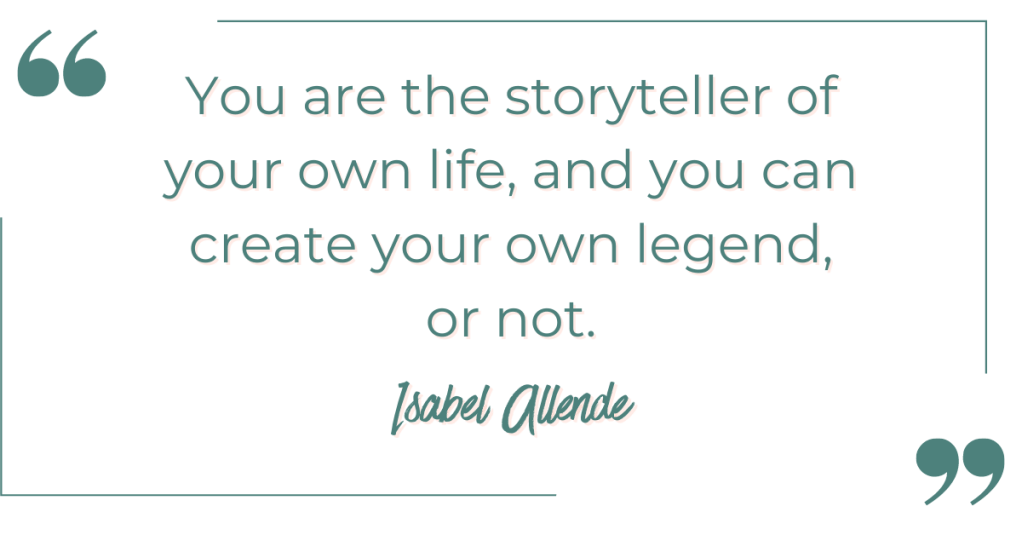
Isabel Allende is a literary pioneer whose works have captivated readers across the globe. Known for her magical realism, historical fiction, and compelling narratives, Allende’s writing transcends boundaries and showcases the power of storytelling to inspire and empower.
Born on August 2, 1942, in Lima, Peru, Isabel Allende hails from a family deeply rooted in literature and diplomacy. Her father, Tomas Allende, was a Chilean diplomat, and her uncle, Salvador Allende, served as the President of Chile until his tragic death during a coup in 1973. Isabel’s early exposure to different cultures and political environments significantly influenced her writing and worldview.
Allende’s formative years were also shaped by her grandmother, who narrated fantastical stories and folktales. This storytelling tradition sparked Isabel’s fascination with the magical and the supernatural, a theme that would become an integral part of her literary style.
After working as a journalist and magazine editor in Chile, Allende moved to Venezuela in the early 1970s, where she continued her writing career. However, her life took an unexpected turn when her grandfather fell terminally ill. To cope with his impending death, Isabel began writing a letter to him, recounting her family history and exploring the complexities of love and loss. This letter eventually evolved into her first novel, “The House of the Spirits” (1982), a critically acclaimed masterpiece that catapulted her to literary stardom.
In “Eva Luna” (1987), Allende continued to enchant readers with her imaginative storytelling. This novel follows the life of its eponymous protagonist, a strong and resourceful young woman who overcomes adversity through storytelling. Through Eva, Allende highlights the transformative power of narrative and its ability to inspire individuals to shape their destinies.
Throughout her career, Allende has addressed relevant social and political themes in her works. “Paula” (1994) is a deeply personal memoir in which she explores her relationship with her daughter, Paula, and the pain of losing her. The book provides a glimpse into Allende’s life and her experiences as an immigrant. Her later novels, such as “In the Midst of Winter” (2017), tackle contemporary issues like immigration, human rights, and environmental concerns. Allende never shies away from topics such as gender roles, social injustice, and the struggles of immigrants. Her ability to seamlessly weave personal stories with broader societal issues resonates with readers, making her an influential voice in contemporary literature.
Beyond her literary works, Allende co-founded “The Isabel Allende Foundation,” a nonprofit organization that promotes and supports women’s empowerment, healthcare, and education in Latin America. Through her writing and activism, she continues to be an inspiring figure for women and girls worldwide.
Isabel Allende’s literary achievements have garnered widespread recognition and numerous awards. She received the prestigious National Literature Prize in Chile in 2010, and her books have been translated into more than 35 languages. Allende’s contributions to literature and her commitment to social causes have earned her the admiration of readers and fellow writers alike.
Isabel Allende’s storytelling prowess, commitment to social justice, and exploration of magical realism have left a permanent mark on the world of literature. Her ability to craft narratives that seamlessly blend the fantastical with the political has captivated readers, fostering a deep connection between her characters and their human experiences. Through her writing, she has demonstrated the transformative power of stories, inspiring readers to view the world through a lens of empathy and empowerment.
As we celebrate the extraordinary life and work of Isabel Allende, we recognize her enduring impact on literature, her passion for advocacy, and her unwavering belief in the transformative power of storytelling. Her words continue to resonate with readers, reminding us of the profound connection between art and humanity, and encouraging us all to embrace our own empowered voices.

 “Women are the real architects of society.”
Leave a comment